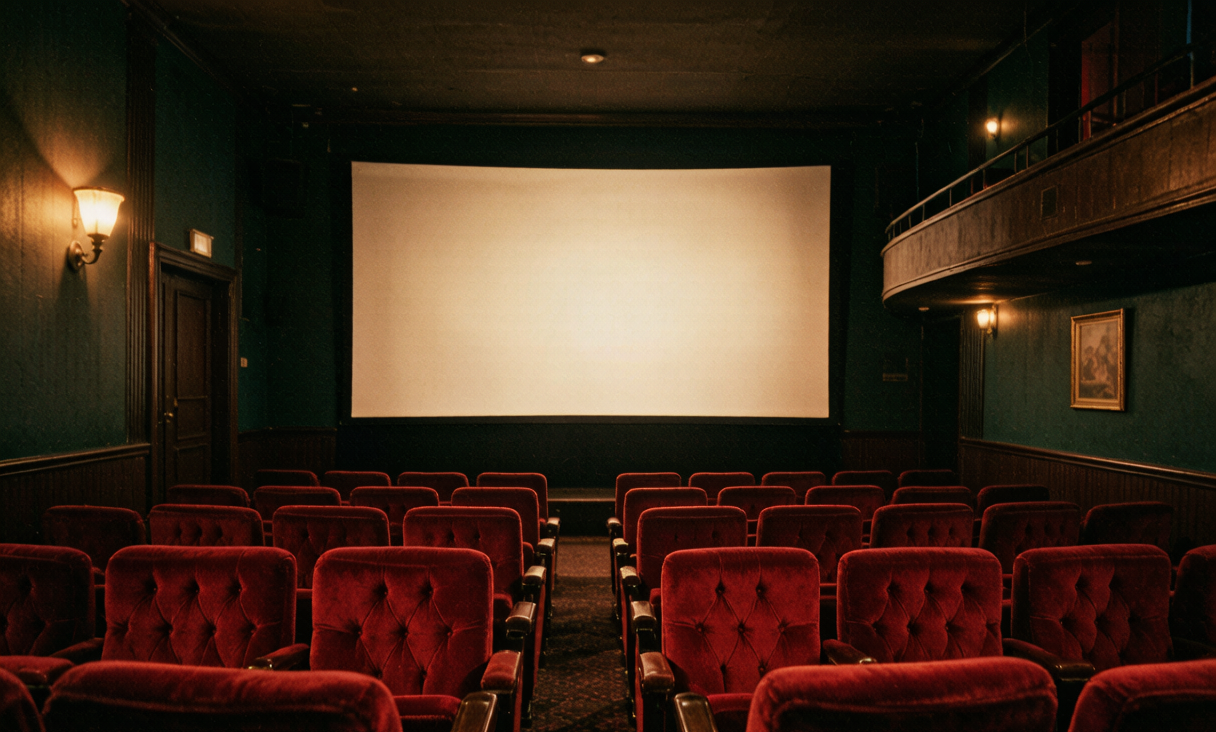
Theater has always been defined by its physicality. The art form's central claim—that something irreplaceable happens when live performers and a live audience share a space at the same time—is precisely what has made it resistant to the distribution technologies that transformed film, music, and television. For decades, the idea of streaming theater felt like a category error, a misunderstanding of what made the medium distinctive. Yet in 2026, stage-to-screen broadcasting has become a genuine and growing part of the theatrical ecosystem, expanding the reach of productions far beyond the geographic and economic limits of their physical runs. The model is still evolving, the technology is still improving, and the debates about what is gained and lost when a live performance becomes a streamed broadcast are as lively as ever. What is no longer in question is whether streamed theater has a future. The question is what kind of theater it will become.
How Stage-to-Screen Actually Works
The technical process of capturing a live stage production for broadcast is more complex than pointing cameras at a stage. The leading practitioners of the form approach it as a distinct art, with directors and cinematographers who specialize in translating the spatial and temporal logic of theater into the visual language of film. Productions are typically shot with multiple cameras positioned throughout the venue, with operators following the action in real time and a director cutting between feeds live. The goal is not merely to document the performance but to create a viewing experience that conveys the emotional and dramatic arc of the work for an audience that cannot be in the room. The best broadcasts achieve this through careful shot selection that respects the blocking and pacing of the original staging while using the tools of cinema—close-ups, reaction shots, and subtle reframings—to reveal dimensions of the performance that even an audience member in the theater might miss.
The distribution model for streamed theater has diversified significantly. The pioneering approach—broadcasting live performances into cinemas, as National Theatre Live has done for years—remains popular, but it has been joined by streaming platforms dedicated entirely to recorded stage work, partnerships with general-purpose streaming services, and direct-to-consumer broadcasts from individual theaters and productions. The economics are attractive: a production that can only be seen by the few thousand people who fit into a theater over the course of its run can, through broadcast, reach audiences in the hundreds of thousands or more. For regional theaters and touring productions that lack the profile of a Broadway or West End hit, streaming offers a path to audiences and revenue that would otherwise be inaccessible. The broader theater industry's revival has benefited from this expanded reach, which introduces new audiences to the form who might never attend in person.
The Access Versus Authenticity Debate
The central tension in streamed theater is the question of what is lost when the live experience is mediated through a screen. Purists argue that the essence of theater—the unrepeatable interaction between performers and audience, the shared risk of live performance, the specific energy of a room full of people responding in real time—cannot survive the translation to broadcast. There is truth to this. A streamed production is not the same experience as being in the theater, and anyone who claims otherwise is selling something. But the argument that this makes streamed theater illegitimate or artistically worthless is harder to sustain. A great broadcast of a great production can be a profound aesthetic experience in its own right, a different but not necessarily inferior way of engaging with the work.
"We are not trying to replace the experience of being in the theater. We are trying to share the work with people who cannot be in the theater, and in doing so we have discovered that the broadcast has its own kind of magic, its own kind of intimacy, that the stage cannot provide."
The access argument is the stronger one. Streaming has democratized access to theater that was previously available only to those who could afford tickets and travel to specific cities on specific dates. Students, people with disabilities, rural audiences, and anyone for whom the economics of attendance are prohibitive can now experience world-class productions. The digital preservation of cultural heritage offers a parallel model, where technology extends the life and reach of cultural artifacts beyond their original context. Some practitioners worry that streaming cannibalizes in-person attendance, but the evidence so far suggests the opposite—audiences exposed to streamed theater are more, not less, likely to seek out live performances when they can.
Streamed theater is not going to replace the live experience, and it should not try to. What it can do is expand the audience for an art form that has always struggled with access, preserve productions that would otherwise disappear when their runs end, and create a new creative medium that draws on the traditions of both stage and screen. The theater streaming experiment is still in its early chapters, and the most interesting work is likely still ahead.